Memorial Day Reflections: Embracing Love and Loss

A blessed Memorial Day
To you who took the call
Thinking of you who gave
And remembering those who gave all
On this Memorial Day
May you stand ever tall
In the land of the free and the brave
And the home of those who would fall.

– J. M. G.

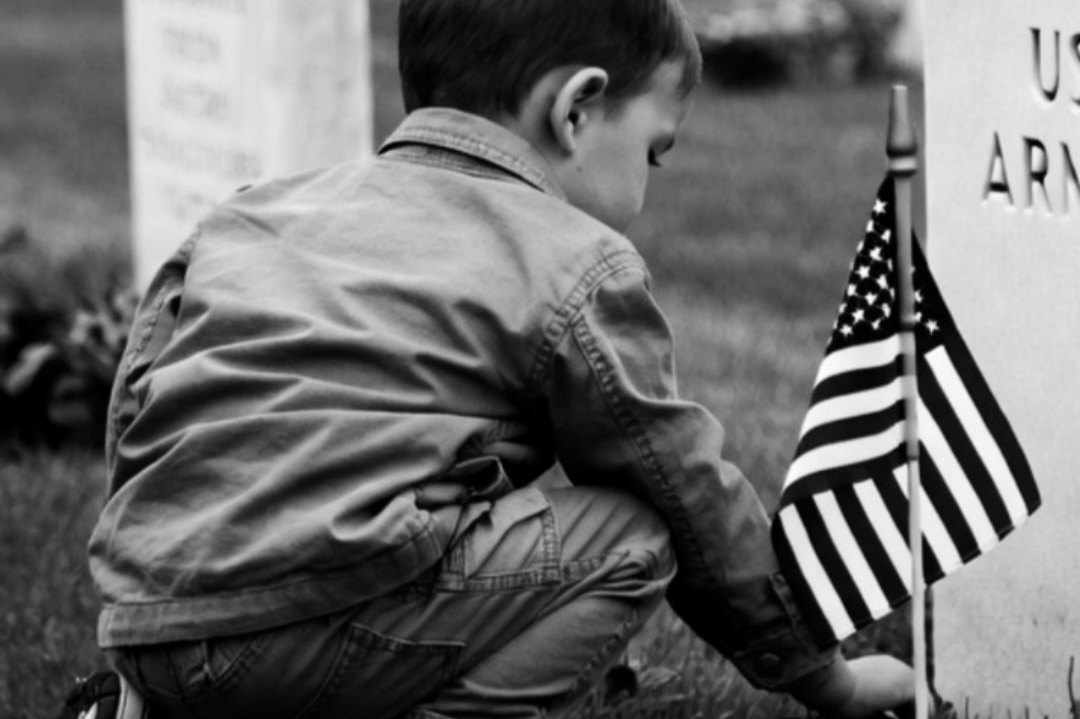
This Memorial Day, some will be mourning their lost family or friends or loved ones. Others will be celebrating freedoms and the coming summer season. Still others use it as a time for discourse and reflection on our country, and our world, today.

All of these are OK. You can feel any of these emotions, or all of them. But I personally feel Memorial Day is as much about the living, the grieving, the survivors of those who were left behind, as it is about the fallen.

We can support our loved ones who have lost their loved ones, above all else. We can wonder why it had to happen, even disagree with why, as much as we can surround them with love and support.

This weekend, I saw a post on social media to this effect. It criticized current leadership and decisions while using Memorial Day imagery…the timing of the post was not to be admired. I wondered how much of this messaging is getting to the children and family of those who could be most affected by it.

So I suggest, this Memorial Day, wrapping loving arms around those affected by violent conflicts and loss. We pray that God will be with you all and bring rest to your spirits.

Living with a Childhood Chronic Illness

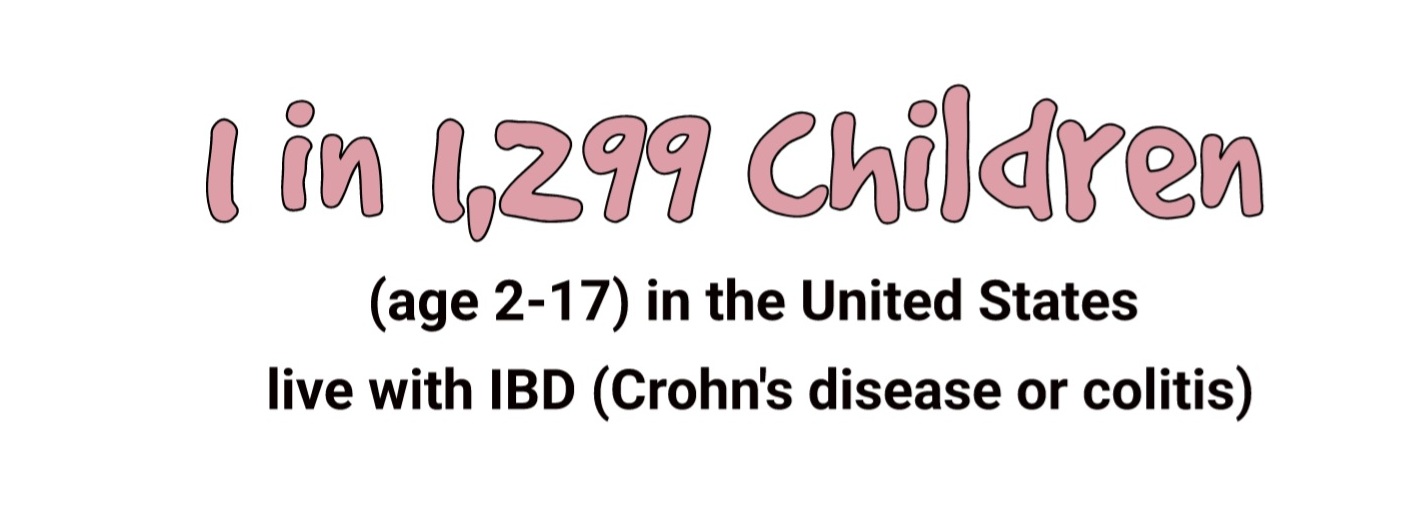
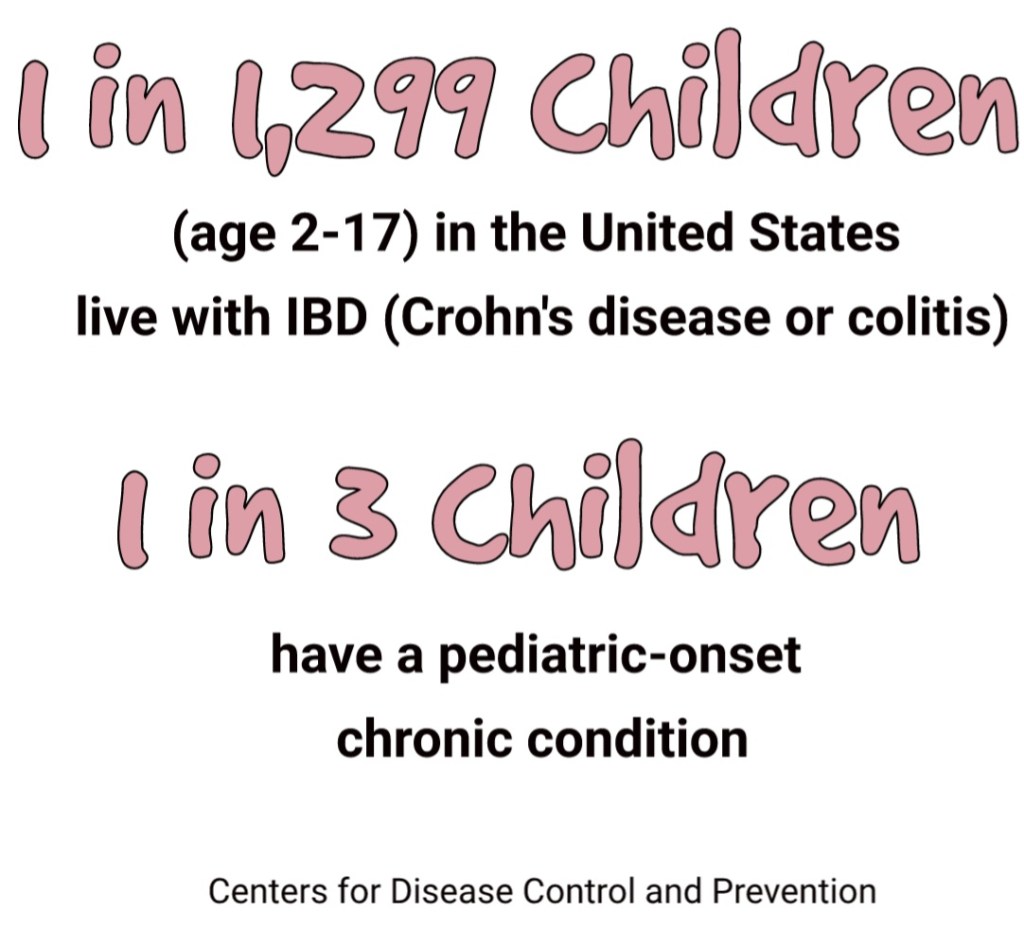
Today is World IBD Day, bringing awareness to Inflammatory Bowel Disease, most commonly Crohn’s disease and ulcerative colitis. This illness is something I was diagnosed with as a young teenager. My experiences before and after my own personal D-Day (date of my diagnosis) were awful. It was extremely difficult having severe symptoms and not knowing what was going on with my body. Then, when I WAS diagnosed, it took a long time — years — to get the illness under control. Simply having a diagnosis and treatment does not on its own mean that you’re well.

It was around that time that I started seeking help for my mental health, as well. I believe that children and families dealing with childhood illness need as much support for their mental wellbeing as their physical. When I was lent a copy of The Anxiety and Phobia Workbook from a school counselor is when I started practicing yoga asanas and meditation. It was a GAME CHANGER for me. With regular practice, I noticed a decrease in general anxiety, panic attacks, and depression. I continue practicing both to this day, and they’ve enhanced my life.

That’s a big reason I wanted to bring the Still Kids curriculum to schools, because I know the effect these practices can have on kids who need it the most. Too many children live with childhood chronic illnesses and other childhood traumas. It’s time we get together and work on curing IBD, curing childhood illnesses, and helping our the youngest members of our community get the help they need to live well and thrive.

Coping with Anxiety Through Catholic Meditation and Mindfulness

May is Mental Health Awareness Month. In honor of that, I thought I’d revisit an article I wrote for our church bulletin during the Covid-19 epidemic.

The practice of meditation has a long and beautiful history in the Catholic church. Pope Francis shares these words: “The Lord speaks to us in the depths of our conscience, he speaks to us through Sacred Scripture, he speaks to us in prayer. Learn to stay before him in silence, to read and meditate on the Bible, especially the Gospels, to converse with him every day in order to feel his presence of friendship and love.” Meditation is a tool that decreases anxiety, lowers blood pressure, and reduces stress, and physically changes the brain, as demonstrated by scientific studies.

Fr. John Bartunek shares 4 C’s of traditional Catholic meditation. They are:
1. Concentrate. Take the time to go to a quiet spot, turn off your cell phone, and spend time concentrating on God’s presence.
2. Consider. He suggests reading a section of scripture, slowly, taking time to truly digest it.
3. Converse. Perhaps you want to thank God. To praise him. To ask forgiveness. Whatever you are moved to do.
4. Commit. “Renew [your] commitment to loving God, and to fulfilling his will for [you] this day.”

Saint Ignatius, the founder of the Jesuit order, created what is known as Ignatian Contemplation. In this style of meditation, you can read a section of scripture (a story from the Gospels is recommended), and spend time imagining yourself there. Now you actually compose the place. What do you see, taste, smell, touch and hear? Perhaps you hear the Sea of Galilee, tasting the salt in the air. What are you wearing? What are the crowds like? What does Jesus’s voice sound like to you?

A Sacramental Pause is based on Fr. Jean-Pierre de Caussade’s Sacrament of the Present Moment, and takes only minutes. You can take a moment, even sitting in a chair or pew, and pray: “ever present God, here with me now, help me to be with you.” Open your heart to experiencing whatever you are aware of in the present moment, again, using the 5 senses. Then, focus. Focus on your breath, focus on the spot you are sitting in. Breathe deeply. Once more: “ever present God, here with me now, help me to be with you.”

While meditation is a wonderful activity, mindfulness is a way of thinking. Dr. Gregory Bottaro, a former Franciscan friar and author of The Mindful Catholic, explains: “A definition of mindfulness that we can work with is ‘paying attention to the present moment without judgement or criticism.’” It can be as mundane as 100% attention to simple chores, or as enriching as complete focus on time spent with family or playing with your child. But, it is not a matter of emptying your mind of thoughts. Dr. Bottaro continues:

“We are created in the image of God, who is the infinite epitome of mindfulness. If mindfulness is awareness of the present moment, God is the present moment. He defined himself as ‘I am who I am.’ God sees all as present moment, and it is our goal to see as he sees. We will never see all as he does, but we can see what we see with the light of the present moment.

“…You will come to learn that mindfulness does not mean turning off the thoughts in your mind, but using them as a door to greater awareness of yourself. This is actually one of the essential differences between Catholic mindfulness and Eastern-based forms of meditation. Many meditative practices seek to empty the mind of thought…emptying our minds of anything is not our goal. The very name of this practice is mindfulness. We want to fill our minds with reality.”

I can highly recommend using any of these techniques as methods to assuage anxiety and begin to recover from depression, as we continue to pray for health and healing in the world. These tools can create a richer and deeper spiritual practice, even during normal, everyday life. Meditation and mindfulness have cumulative effects, meaning, you may notice you feel better after one exercise—but to really notice effects, you need regular practice. Just remember the words of scripture, Psalm 46:10: “Be still, and know that I am God!”
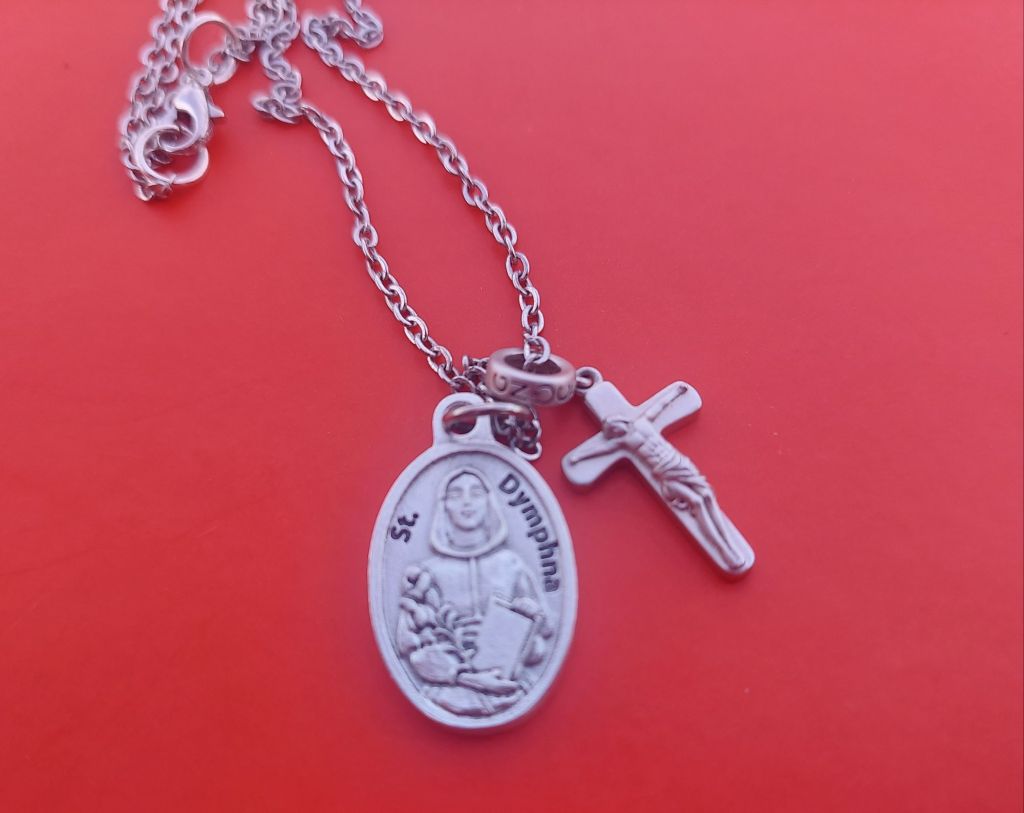
Meet St. Dymphna, Still Kids’ Beloved Patron Saint

Today is the feast day of Saint Dymphna, the Still Kids organization’s patron saint. I’m excited to announce that it is also the day that we formally registered Still Kids federally and with the State of Minnesota as an official 501(c)(3).

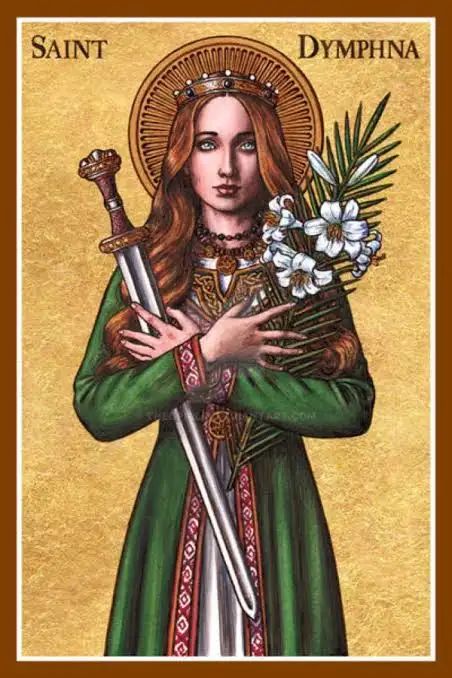
Saint Dymphna is the patron saint of mental illness, both mental health professionals and those suffering from mental illness. In art, she is often depicted slaying the demons of mental illness.

According to tradition, she was born in Ireland in the 600’s (the 7th century), born a princess to her father, a petty king, and her beautiful, devout Christian mother. At 14, she took a vow of chastity and devoted herself to Christ. It was a short time after that her mother passed away. Her father suffered from a severe depression and, in his grief, his counselors advised he take a new queen. He agreed, on the condition she be as beautiful as his late wife. He searched everywhere, and in his madness, and due to his evil advisors, began to want the one woman who resembled his lost wife: Dymphna.

Dymphna fled with her priest, Father Gerebernus, also now a Saint. They sailed and landed in Geel, modern day Belgium. She began a hospital for the mentally ill and started a grand tradition in the town of caring for the afflicted, in the thousands, that lasts to this day. However, through the use of royal coins, she was tracked down and beheaded by her father, on the 30th of May, 650.

A church was built in Geel to honor St. Dymphna, where her body was originally buried that May. On May 15 of the next year, her body was moved and her feast day honored. She is often depicted holding a sword (a symbol of martyrdom) and pure white lilies.

We honor St. Dymphna and pray for her intercession as we continue our mission!

Good St. Dymphna, great wonder
worker in every affliction of mind
and body, we humbly implore
your powerful intercession with
Jesus through Mary, for the
health of the sick.
St. Dymphna, patroness of
persons with mental health
conditions, always look out for
those men and women, for their
healing and recovery, and for an
end to stigma and indifference in
society. Amen.
St. Dymphna, pray for us.

Source: USCCB (see here)

Praying with ImPACT: The PACT Prayer for Children

Today is the National Day of Prayer, an interfaith occasion observed in the United States on the first Thursday in May since 1988. This year’s theme, “Glorify God Among the Nations—Seeking Him in All Generations” reminds us that all generations, even our littlest children, can turn to God in prayer.

How do we teach our children to pray? Many of us are familiar with the ACTS prayer method: Adoration, Confession, Thanksgiving and Supplication. This can be a mouthful for children to learn and memorize!

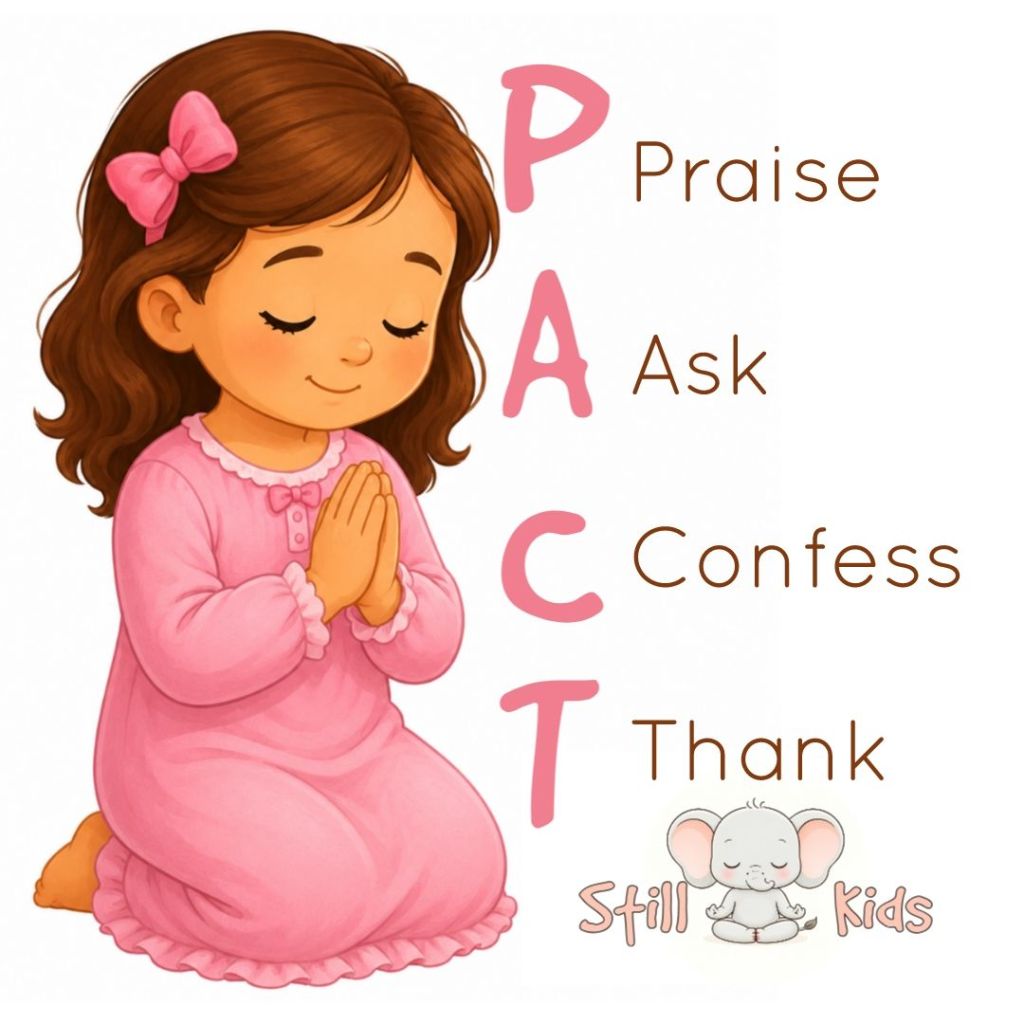
For our littlest ones, the PACT Prayer can be a simpler method.

The PACT Prayer

Each letter can be either part or all of the prayer. And they don’t need to go in that order. Just remember to convey, there is no right or wrong way to pray! Never forget the words of 1 Thessalonians 5:17: “Pray without ceasing.”